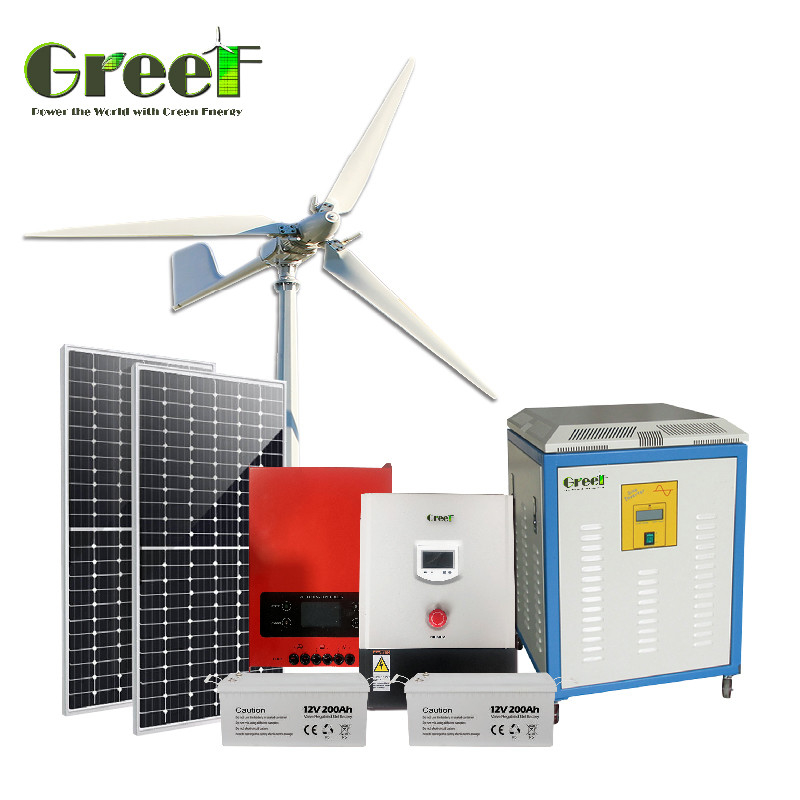
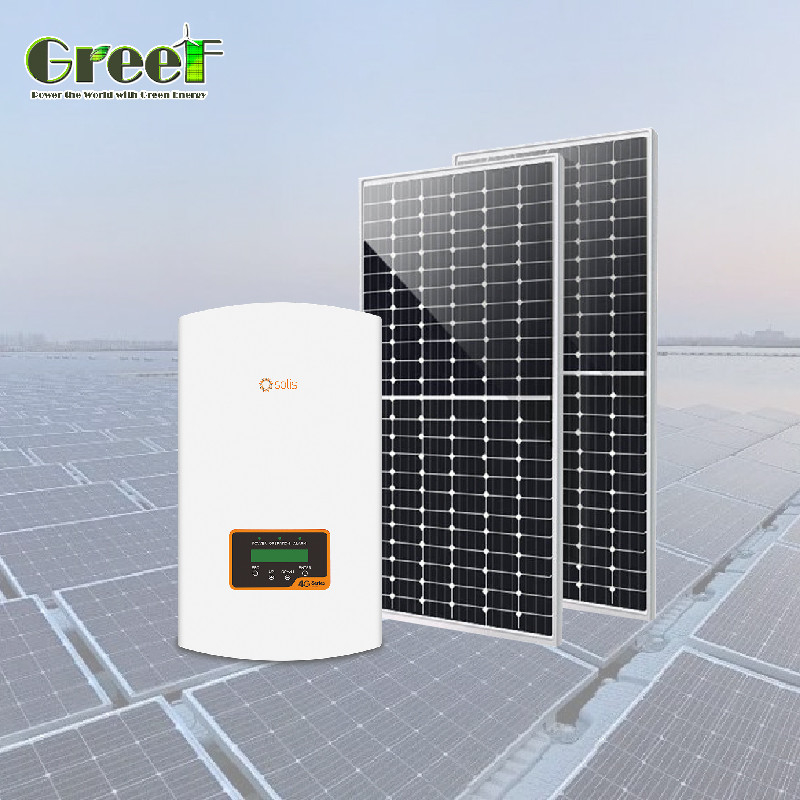
Grid-connected wind and solar complementary systems.
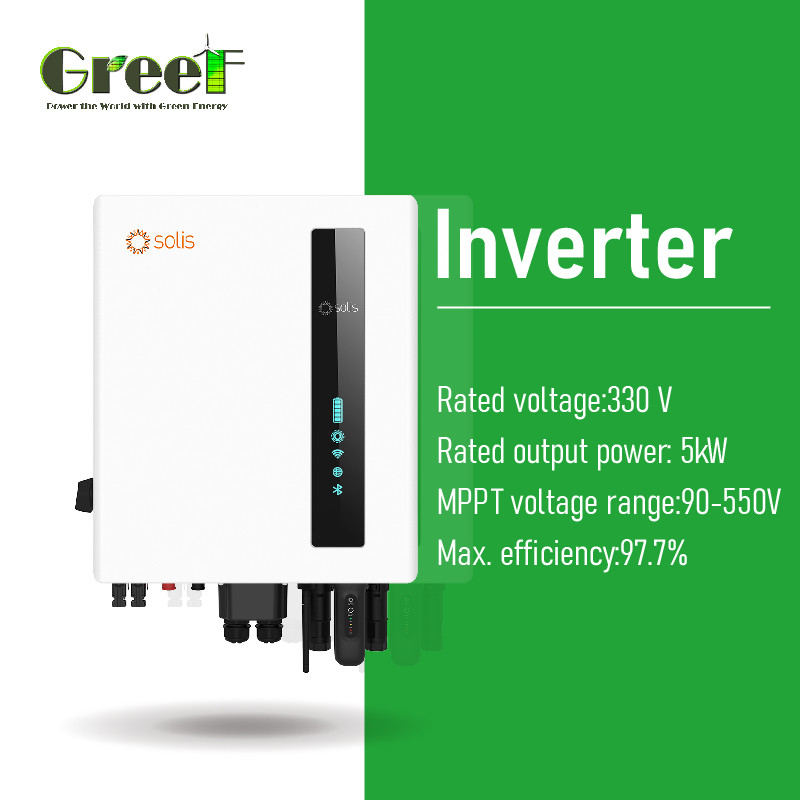
A grid-connected system is an integrated energy conversion and storage system. Wind turbines and photovoltaic panels capture wind and solar energy, respectively, and convert them into DC power. The inverter converts the DC power into AC power to meet the requirements of the grid. The controller acts as the brain of the system, precisely regulating the operation of each component to ensure efficient and stable energy conversion. The battery acts as an energy storage unit, storing power when there is a surplus of energy and releasing it when there is a peak in demand or a shortage of energy to balance the load on the grid. The whole system works together to realise grid-connected renewable energy generation, providing clean and sustainable energy support for the power system.
System
We can customize the system to suit your requirements
This canal flows day and night – I never thought it could make money. After Greef installed the system, it runs by itself. Every day I check my phone to see how much electricity was generated and how much I earned. I'll recover my investment in less than a year, and after that it's pure profit.
I run a small dairy farm in northern Norway, far from the power grid. A few years ago, I installed solar panels and a Deye inverter, but the solar system basically stops working in winter, and the diesel generator was costing me a fortune. This year, I added this variable-pitch wind turbine and connected it to the Deye inverter for a hybrid solar-wind system, and we haven’t had a single power outage all winter. This wind turbine starts up at low wind speeds of just 2–3 on the Beaufort scale. During blizzards, the blades automatically pitch down to slow the turbine, preventing runaway speeds, and it’s much quieter than my neighbor’s fixed-pitch model. The Deye inverter’s switching logic is smart—it prioritizes solar power when available, and automatically switches to the wind turbine when solar output drops. It’s all clearly visible on the app. Now, the diesel generator is practically idle. Wind and solar backing each other up—that’s true off-grid freedom.
“I built a small pico hydro system on the creek behind my off-grid cabin. The water head is only 3 meters and flow rate around 0.2 m³/s – too low for most generators. This axial flux coreless unit starts generating usable power at just 150 RPM. No cogging, no iron loss, and it’s silent. I’m getting 300-400W continuously, 24/7. My old induction generator would barely light an LED at that speed. Absolutely perfect for low-head hydro.”
Overall Rating
Rating Snapshot
The following is the distribution of all ratingsAll Reviews